
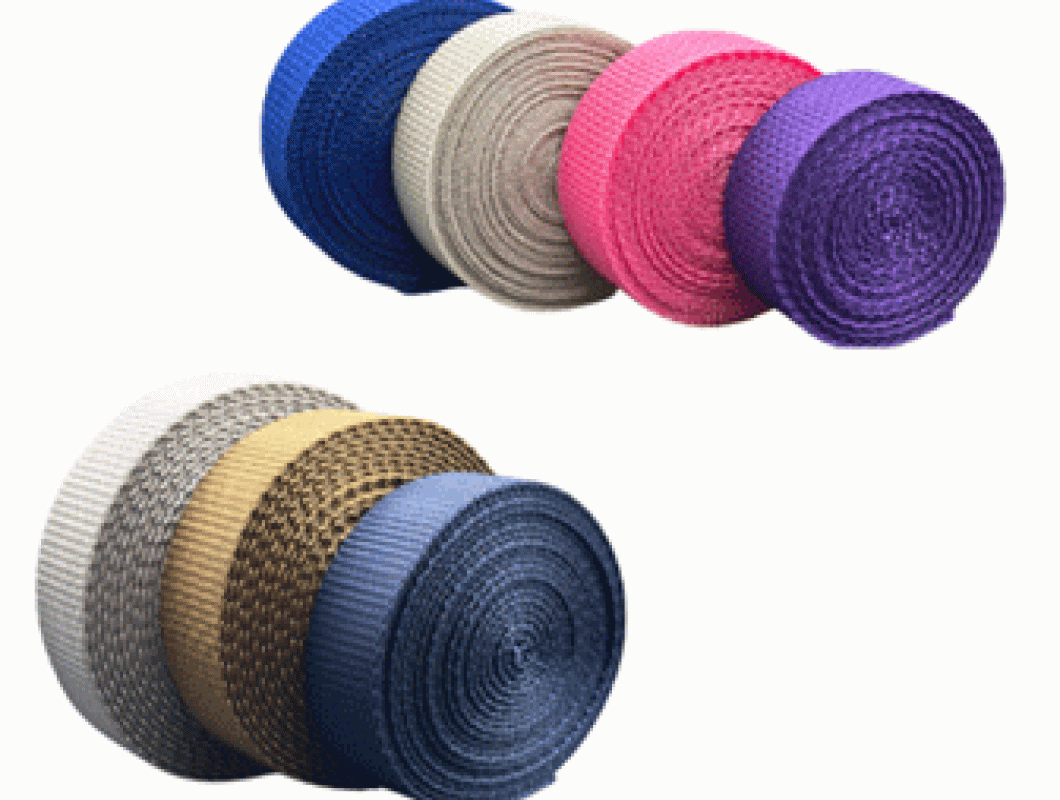
When selecting the right webbing for your project, whether you're crafting pet products, outdoor gear, bags, straps, or industrial components, the two most common materials you’ll come across are polypropylene and nylon. Both are durable, versatile, and available in a wide range of vibrant colors, making them staples in countless industries. However, while they may appear similar at first glance, each material offers distinct advantages depending on how and where it’s used. Let’s compare polypropylene vs nylon below to help you decide which is better for your needs.
Polypropylene Webbing: Lightweight, Versatile, and Water-Friendly
Polypropylene
(often called "polypro") is known for being lightweight, cost-effective,
and highly resistant to moisture, mold, and mildew. These
properties make it a strong candidate for applications where the webbing will
be frequently exposed to water or outdoor elements.
Common
uses include:
- Bag
straps and lightweight gear
- Pet
collars and harnesses
- Marine
and boating applications
- Outdoor
furniture
- General-purpose
straps
- Medical
equipment straps
Its
color retention is excellent, and because polypro is available in a broad
palette of colors, it’s also ideal for design-focused or branded products.
Nylon
Webbing: Strength, Durability, and Performance Under Load
Nylon webbing is well-known for its strength, high abrasion
resistance, and superior load-bearing capabilities. If your
application requires durability, shock absorption, or long-term performance
under stress, nylon is typically the go-to choice.
Common
uses include:
- Climbing
gear and safety harnesses
- Sports
and outdoor equipment
- Dog
leashes and heavy-duty collars
- Tactical
gear and military products
- Industrial
straps
- Luggage
and backpack hardware
Nylon
also comes in many colors, allowing for both functional and aesthetic
flexibility, while providing the toughness needed for demanding environments.
 Chart.png)